Covering Old Artex Ceilings in Pontypridd: What You Need to Know
Thinking about covering an Artex ceiling in Pontypridd? Read our honest guide on skimming, asbestos caution and what to expect before the work starts.

Covering old Artex ceilings in Pontypridd: what you need to know
Textured Artex ceilings divide opinion, but most homeowners who live with one eventually want a smooth, flat, easy-to-paint ceiling instead. David Cleeves Plastering offers ceiling plastering in Pontypridd, and customers on Google describe rooms with Artex ceilings plastered and old Artex walls and ceilings covered. This guide explains the general picture. It is not a substitute for advice on your own ceiling.
What is Artex, and why cover it?
Artex is a textured coating that was widely applied to ceilings, and sometimes walls, in many homes. It hid imperfections but tends to collect dust, is hard to clean and can make a ceiling feel heavy. When people renovate a kitchen, hallway or landing, a smooth ceiling is often near the top of the list.
Read this first: asbestos
Some older textured coatings, including some Artex, can contain asbestos. It is generally considered low-risk when left undisturbed and in good condition, but sanding, scraping or drilling it can release fibres into the air.
- Do not sand, scrape or try to remove textured coatings yourself, especially in an older property.
- If you are unsure what your ceiling is, get advice from a licensed professional before any work starts.
- David Cleeves Plastering does not offer asbestos testing or removal.
Because testing and removal are specialist matters, this article cannot tell you whether your ceiling is safe to work on.
Covering versus removing
Rather than removing a textured coating, many people have it covered with a smooth plastered finish, which avoids scraping it off. Whether that is suitable depends on the condition of the existing surface and whether it is safe to proceed. The existing coating needs to be sound and well bonded. If it is flaking, crumbling or water-damaged, those problems need dealing with first, because plastering over a damaged surface does not fix it.
How covering works, in general
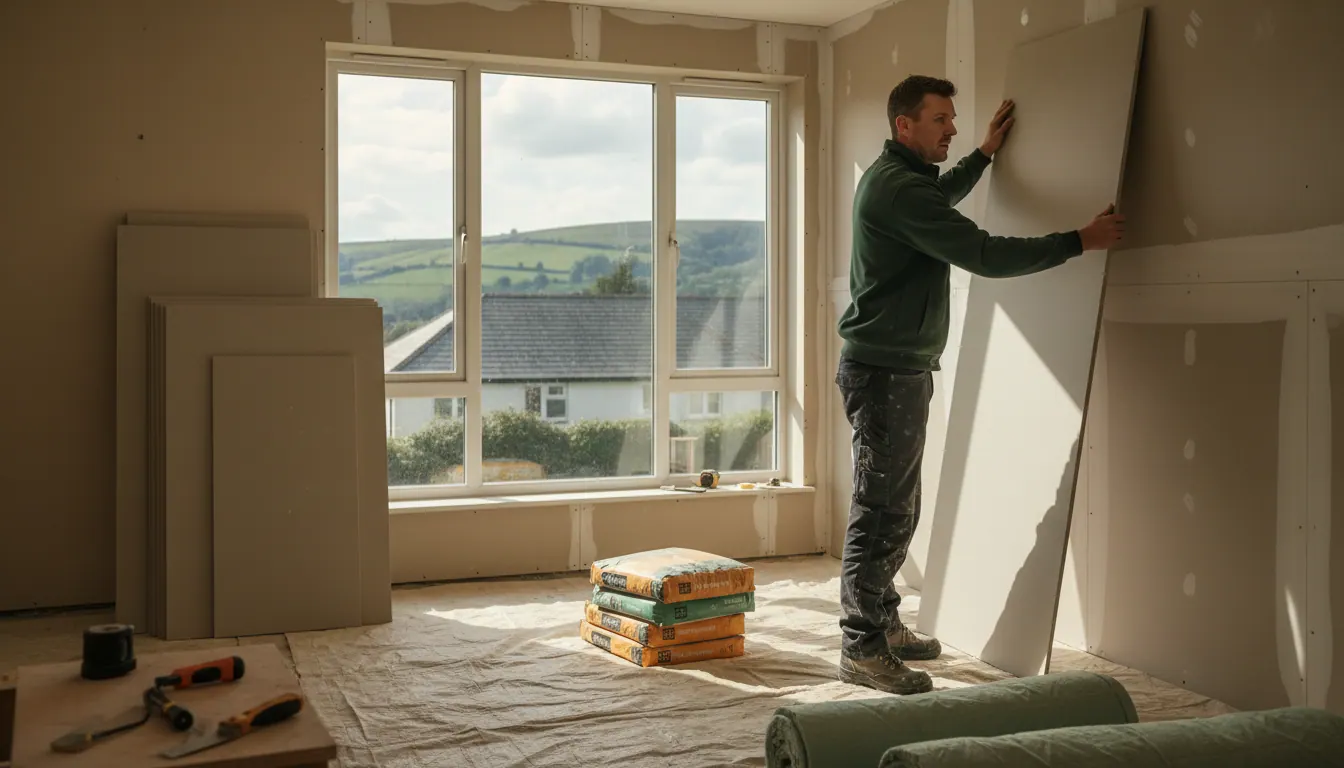
In general terms, the surface is prepared so new plaster can grip, then plaster is built up to fill and level the texture and finished smooth. Deep or heavily raised patterns need more work than shallow ones. The aim is a flat, consistent finish with none of the original texture showing through. Your plasterer will explain the approach for your ceiling. See our page on ceilings and Artex covering.
Painting over Artex instead
Some people use thick textured paints over Artex to soften the look. These do not make a ceiling flat, so if you want a genuinely smooth ceiling, painting is not the same as plastering.
What customers say
Customers on Google describe smooth, neat finishes. One had her whole house plastered, including covering old Artex walls and ceilings:
After having a bad experience with another plasterer, David completely restored our faith. He plastered every room in our house, including covering old artex walls and ceilings, and repaired several walls that were in a poor state. The quality of his work is outstanding, every surface is smooth, neat, and finished to a very high standard. David was reliable, professional, and always turned up when he said he would. We couldn't be happier with the result and wouldn't hesitate to recommend him to anyone looking for a skilled and trustworthy plasterer. Fantastic job from start to finish!
Shannon Acton, Google review
Another customer had hallway and landing ceilings finished with smooth surfaces that were easier to paint:
David has done a fantastic job on our hallway and landing ceilings. Workmanship was first class with smooth surfaces to make them easier to paint. If you are looking for someone who takes pride in their work, turns up on time I can recommend David for all your plastering requirements.
Howard Humphries, Google review
Cracks and damage first
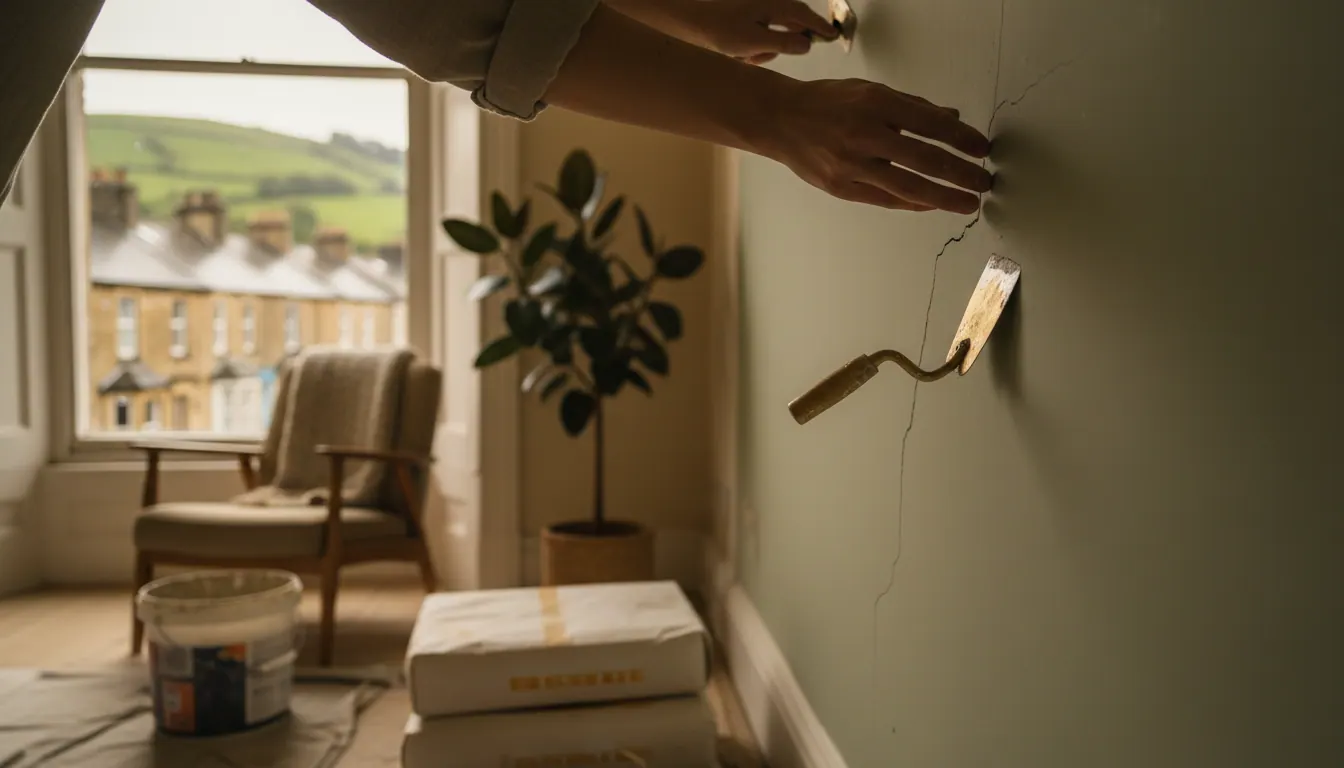
If an Artex ceiling is cracked or water-stained, the cause needs sorting out before any plastering. Widening or diagonal cracks, or signs of damp, should be assessed by a suitable professional first. Plastering over an active problem does not stop it returning.
After the work: drying and decorating
New plaster should be fully dry before decorating, and drying time depends on thickness, ventilation and the time of year. Follow your plasterer's advice. A first coat of thinned emulsion, often called a mist coat, is commonly used to seal new plaster before the top coats. For preparation advice, see our guide to preparing a room for plastering.
Frequently asked questions
Can you plaster over Artex? Often, if the coating is sound and it is safe to proceed, but check first whether it could contain asbestos and do not disturb it.
Is it better to cover Artex than remove it? Many people prefer covering because it avoids scraping, but each ceiling is different. Get advice on yours.
Can I just paint over it? You can use textured paint to soften the look, but the ceiling will not be flat.
How do I get a quote? Call 07887 778383 or use the contact form with photos of the ceiling.
Got an Artex ceiling in Pontypridd?
Call 07887 778383 or use the contact form with photos, and David will get back to you.